Français
  Nederlands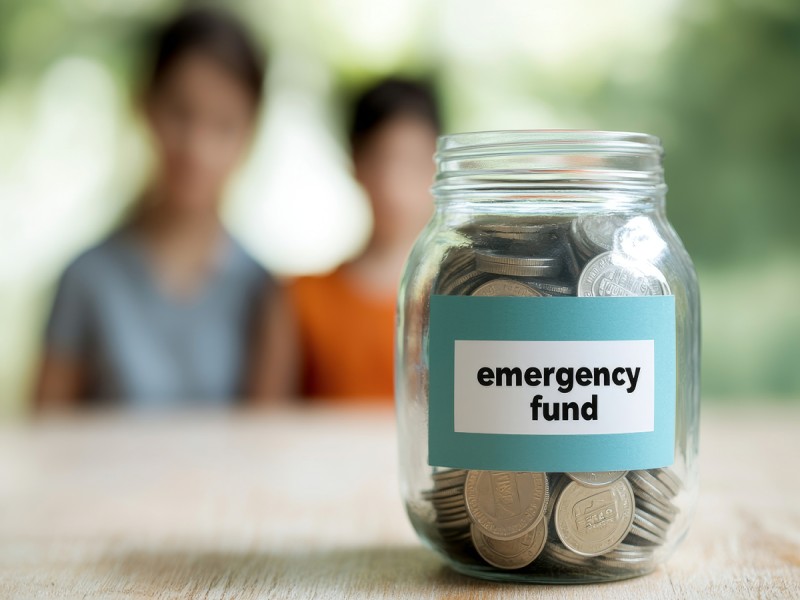
The essence of an emergency fund
Building a financial buffer is a fundamental step toward financial stability. An emergency fund acts as a safety net for unforeseen expenses, such as a broken washing machine, an unexpected car repair, or temporary loss of income. It is crucial to keep this money separate from your daily expenses to prevent falling into debt when adversity strikes. The general guideline of the NIBUD advises using a buffer calculator to determine a personal amount that fits your specific situation.
The goal of this reserve is not to get rich, but to create peace of mind. When you know you can withstand a financial blow, you sleep better and often make better financial decisions. The amount you need to save depends on your fixed costs, the size of your household, and the risks you face with your assets, such as owning a home or an older car.
How to determine the size of your buffer?
To determine exactly how much you should save, you can look at your monthly spending pattern. Many experts recommend having at least three to six months of essential living expenses in a savings account. This savings account must be immediately accessible so that you can withdraw the money when needed. This includes rent or mortgage, insurance, energy costs, and food. The higher your fixed costs, the larger the buffer you should ideally build.
In addition to monthly expenses, personal circumstances play a major role in determining your financial health. Are you employed or are you a freelancer? Entrepreneurs often need a larger buffer due to the lack of safety nets such as unemployment benefits. Homeownership also requires a larger reserve for major maintenance. It is wise to evaluate your buffer annually and adjust it to changes in your personal life situation or inflation rates.
Strategies for building your reserve
Reaching your target amount requires discipline and a plan. Start by mapping out your current expenses and seeing where you can save on non-essential items. Automate your saving behavior by transferring a fixed amount to your emergency fund immediately after receiving your salary. This makes saving a priority rather than an afterthought in your budget. It can also help to add unexpected windfalls, such as holiday pay or a tax refund, entirely to your piggy bank instead of spending them immediately.
Stay patient during this process; building a solid buffer is a marathon, not a sprint. Once you have reached your goal, it is important to only use this amount for real emergencies. If you do use the money, make sure you prioritize replenishing it immediately. By adopting a proactive attitude towards your money management, you create a stable foundation for the future and minimize the stress that financial uncertainty can bring.