Français
  Nederlands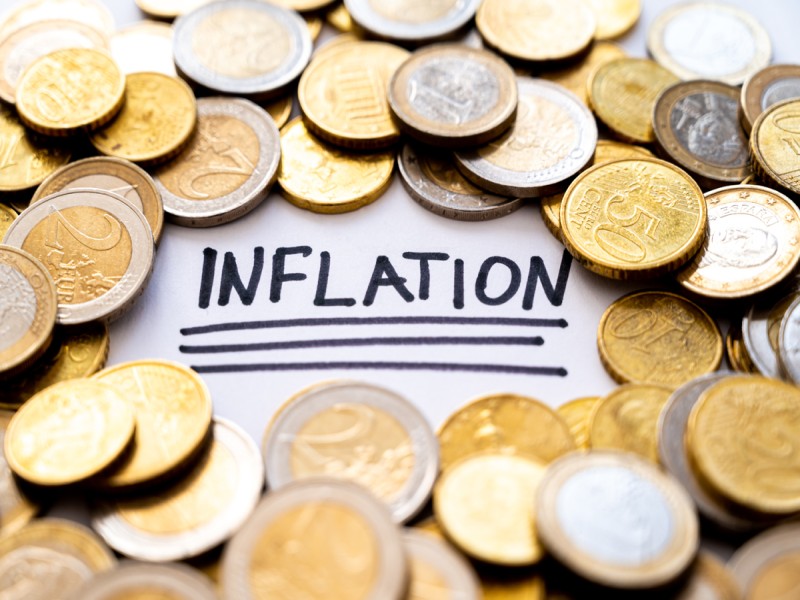
The silent assassin of your purchasing power
Inflation is often described as the silent assassin of your assets. When prices of goods and services rise, the real value of the money you have in your savings account decreases. This means that in the future, you will be able to buy less with the same amount than is the case today. Many savers cling to the security of a traditional savings account, but forget that the interest rate is often lower than the inflation rate.
This process, also known as negative real interest, ensures that your purchasing power decreases unnoticed year after year. Even if the number on your bank account remains the same or grows slightly due to interest, the effective value in terms of standard of living is eroding. It is crucial to understand this mechanism before deciding how to organize your financial future and protect your assets against erosion by rising prices.
Strategies to protect your wealth
To counter the negative consequences of inflation, it is essential to look beyond just saving. A common strategy is to diversify your portfolio by investing in assets that have historically outperformed inflation, such as stocks, bonds, or real estate. Investing naturally carries risks, but in the long term, it offers a potential return that can help to not only preserve but also grow your wealth.
Keeping an emergency fund in a savings account is sensible for unforeseen expenses, but for long-term wealth accumulation, a more active approach to wealth management is often necessary. By investing periodically, you can reduce the effects of market volatility and benefit from the compound interest effect. Increasing your financial literacy allows you to make better-informed decisions and put your capital to work more effectively, rather than just letting it stagnate in an account that is being eroded by inflation.
The role of periodic reassessment
A dynamic financial plan requires regular evaluation and adjustment to the current economic reality. Inflation is not a static phenomenon; it fluctuates depending on macroeconomic factors such as government policy, global trade, and central banks. It is therefore advisable to look annually at whether your current strategy still aligns with your personal goals and current inflation expectations. By sticking to a rigid strategy without taking inflationary pressure into account, you risk your financial plans falling apart.
It is wise to spread across different asset classes and sectors to manage risk and optimize your return. Remember that discipline and patience are the most important factors in any successful financial process. By intervening in time and adjusting your strategy, you can minimize the negative impact of inflation and work purposefully towards a robust future in which your capital actually retains value and grows for the years ahead.